


LED street lights for roads and parking lots Granby
LED STREET LIGHTS FOR ROADS AND PARKING LOTS GRANBY
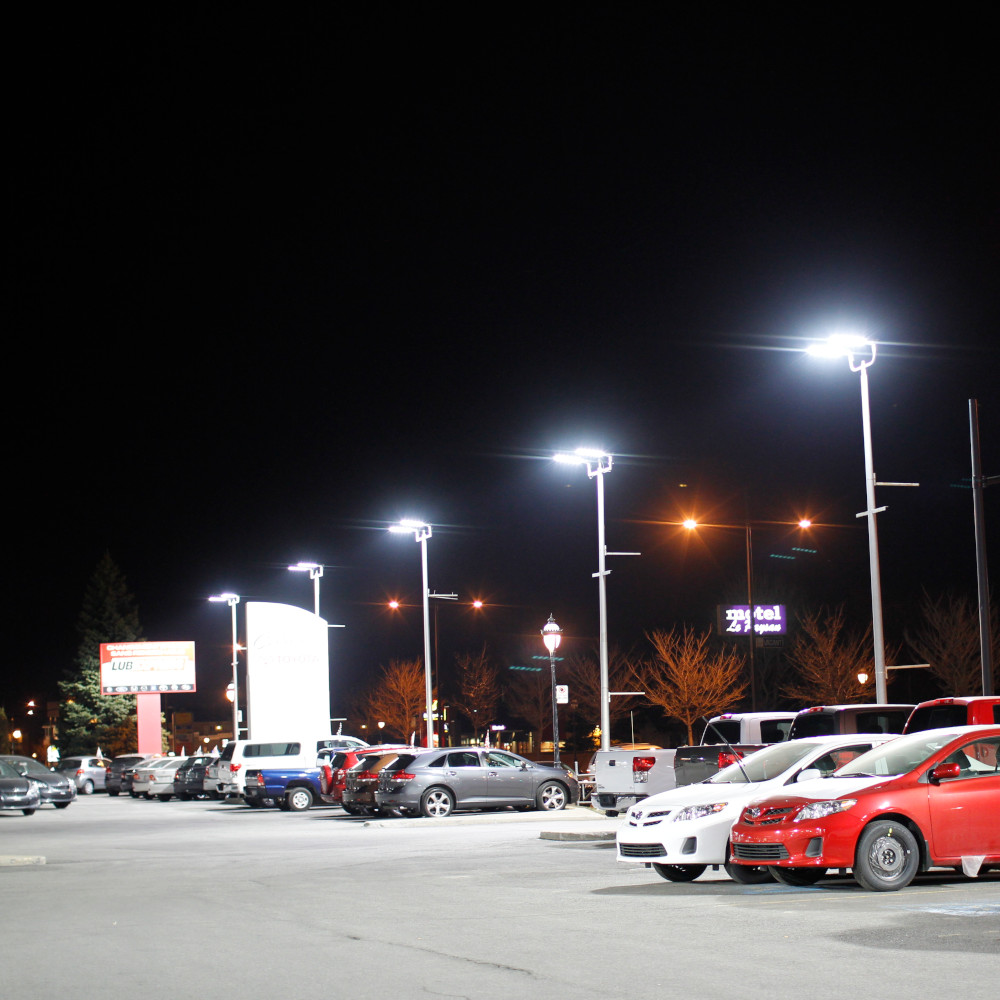
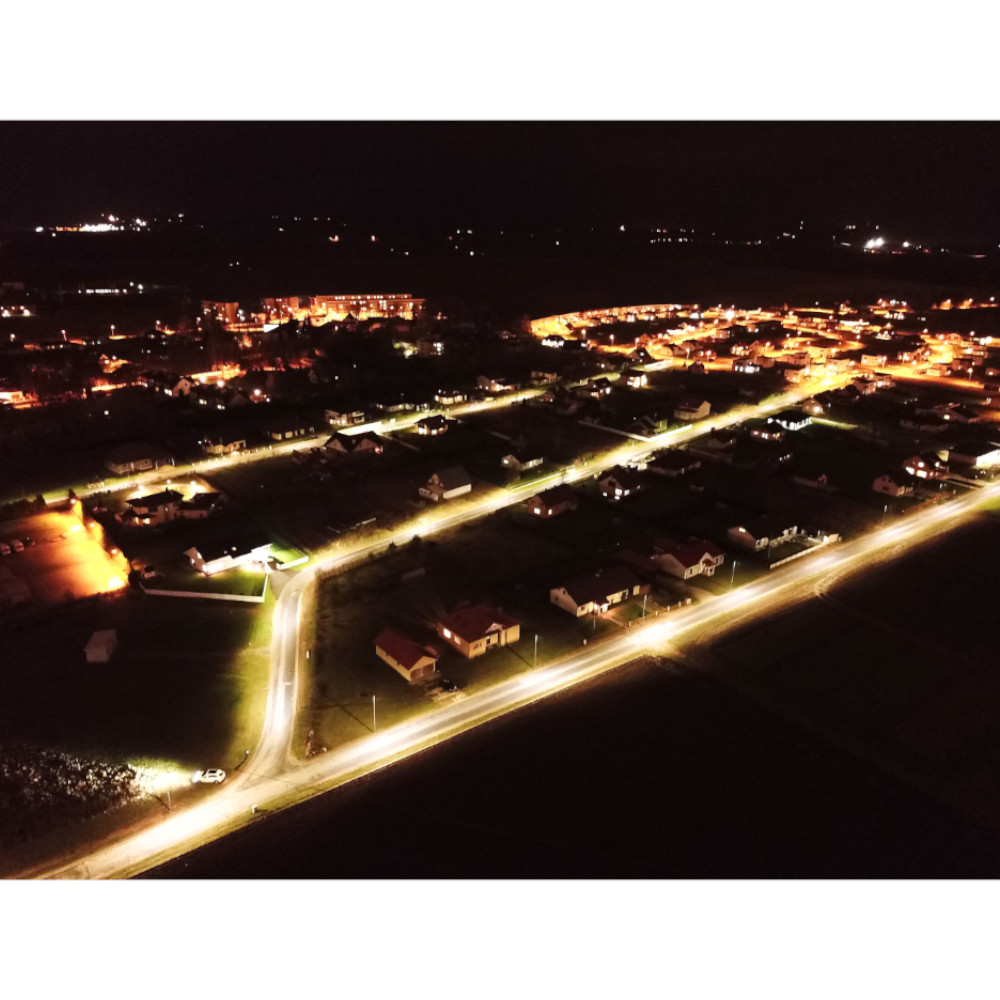
LED street lights have transformed public and private area lighting by delivering 50–70% energy savings compared to the high-pressure sodium (HPS) and mercury technologies that equipped most public roads and parking lots until recently. In Quebec, many municipalities have undertaken large-scale conversion programs of their lighting stock to LED, motivated by savings on Hydro-Québec electricity bills and reduced maintenance. LEDCO offers LED street lights for private parking lots, service roads, industrial yards and public spaces.
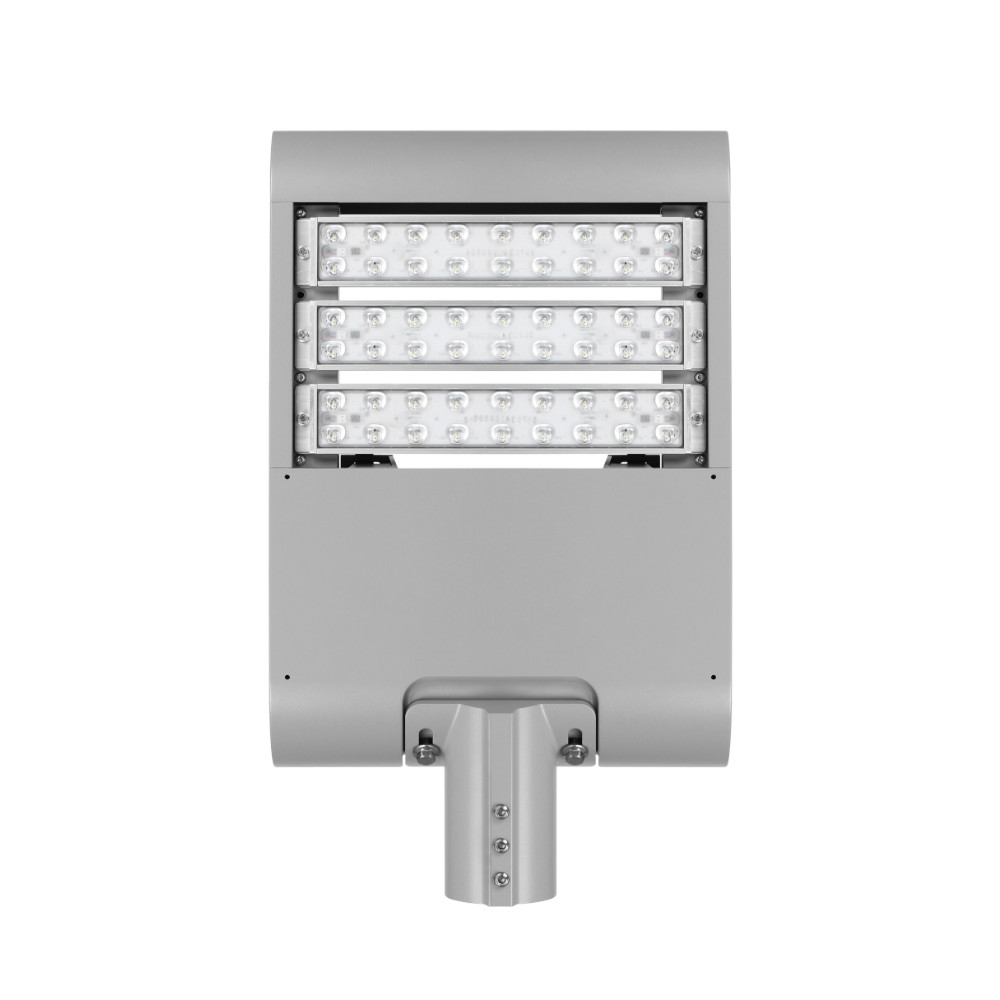
Cobra head and shoebox LED fixtures for parking lots
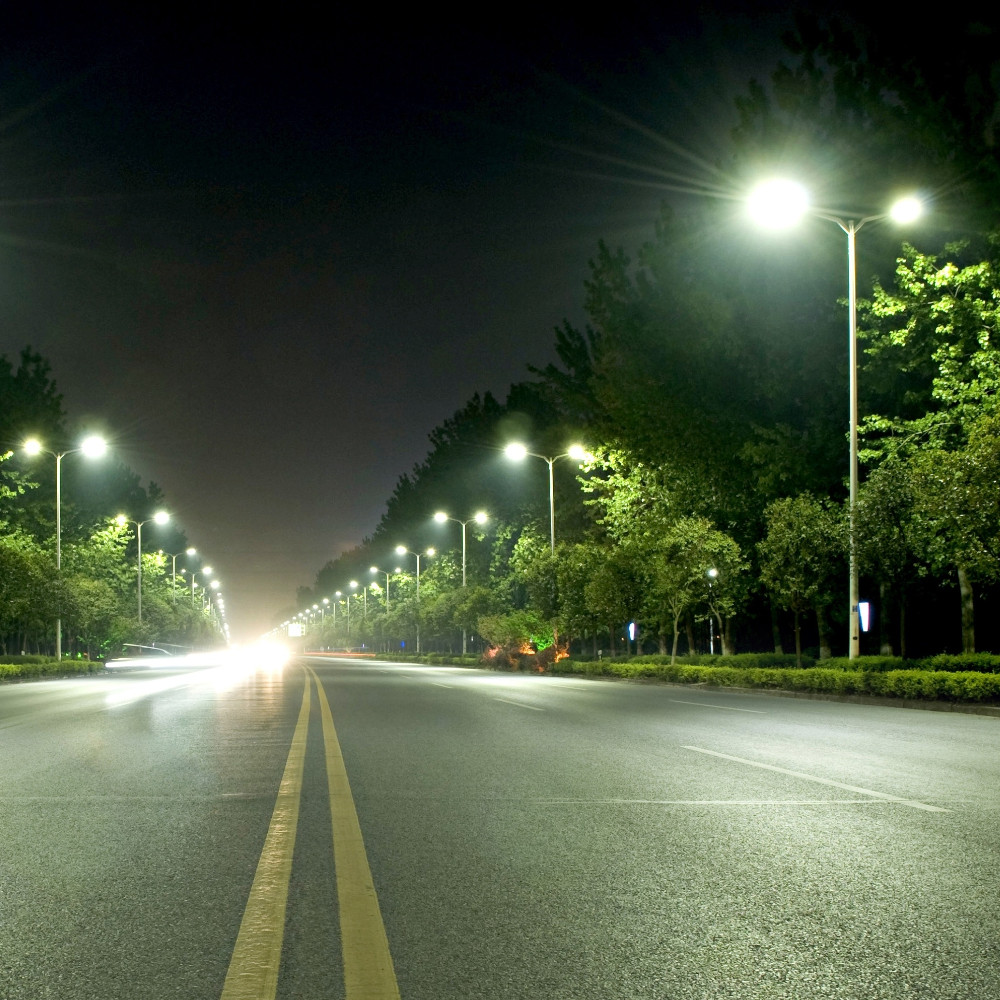
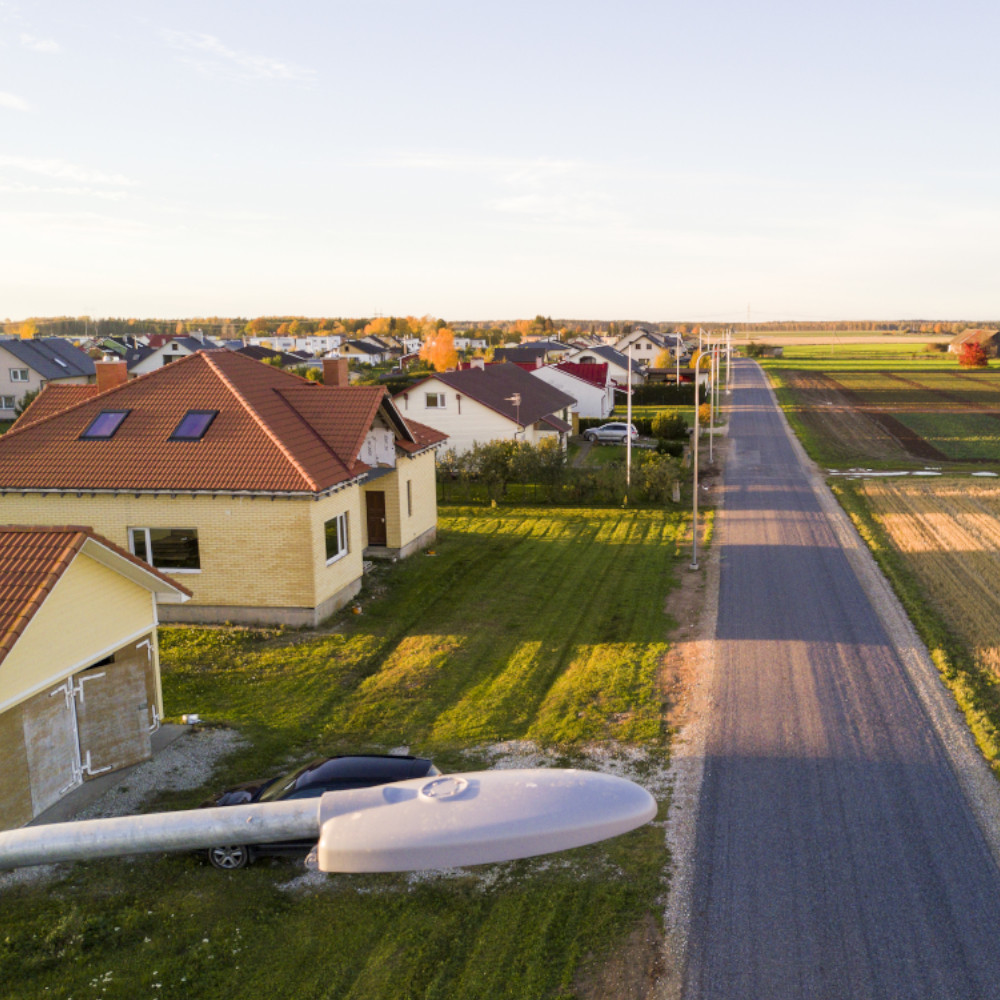
The cobra head street light is the most common model on roads and in parking lots across North America. Its adjustable head mounted on a davit arm allows the projection angle to be set to cover the traffic lane or parking stalls without glare for drivers. LED replacement models use exactly the same dimensions and mounting points as existing HPS heads, facilitating fleet conversion without replacing the poles.
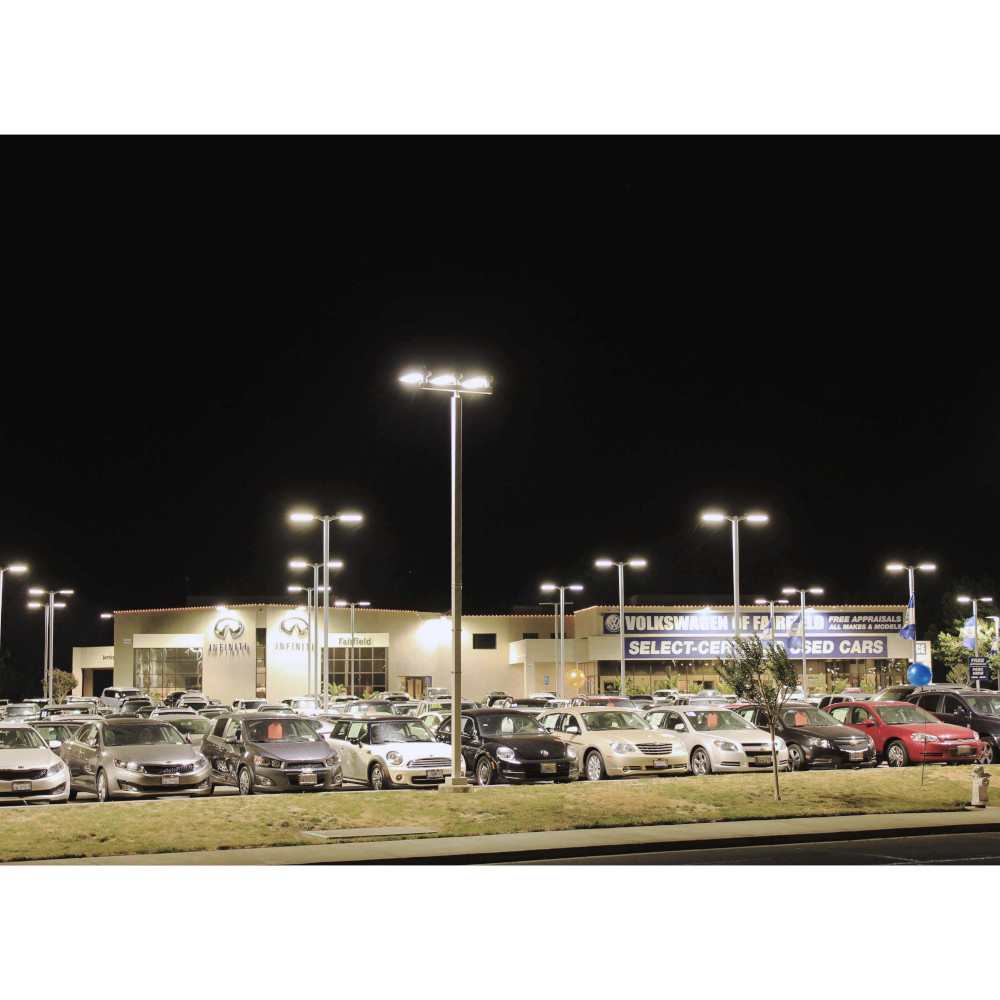
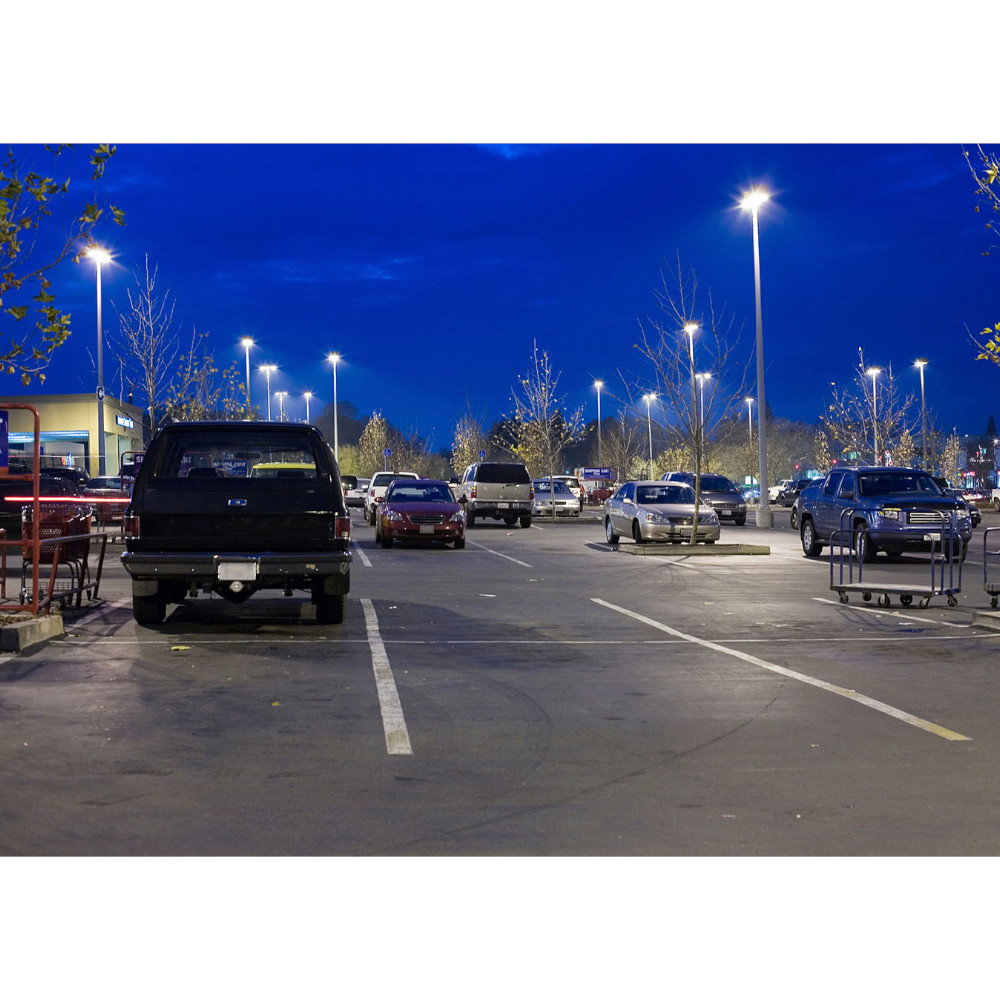
The shoebox fixture, mounted directly on a straight pole or crossarm, is the preferred solution for large commercial parking lots. Its wide light distribution (Type III or Type V) covers rectangular zones 20–30 meters wide with a single fixture per pole. Models from 100 to 300 watts cover mounting heights of 6 to 12 meters. A minimum 3:1 illumination uniformity (ratio between maximum and minimum values) is achieved across the full surface, eliminating dark zones between poles.
Energy efficiency and service life
LEDCO LED street lights deliver 130–160 lumens per watt — two to three times better than standard HPS (85–100 lm/W) and four times better than mercury (40–60 lm/W). For a 50-pole parking lot equipped with 250W HPS fixtures, conversion to equivalent 100–120W LED models represents a consumption reduction of 7,000 kWh per year — translating to thousands of dollars in annual savings on the Hydro-Québec bill, not counting lamp replacement savings (HPS must be changed every 2–3 years, LED lasts 15+ years).
Lumen maintenance is a key criterion for outdoor street lights subjected to thermal variations. Quality LED street lights maintain 90% of initial flux after 36,000 hours (L90) and 70% after 100,000 hours (L70). In practice, an LED street light on 12 hours per day reaches end of useful life after 20+ years — with no intermediate lamp replacement whatsoever.
Controls and remote management
Modern LED street lights can be fitted with wireless control nodes enabling remote dimming, real-time consumption monitoring and fault detection from centralized software. These telemanagement systems are particularly relevant for large fixture fleets — university campuses, industrial zones, commercial districts — where manual monitoring of hundreds of light points is impractical. A typical dimming profile reduces power to 50% between midnight and 5 a.m. when occupancy is minimal, then rises to 100% upon presence detection or approaching an activity cycle. For private parking lots and service roads that don't require full telemanagement, a simple NEMA 7-pin photocell on a standard socket is sufficient to automate on/off. Contact our team to size your parking or service road lighting project.
Standards and certifications
LED street lights for public and semi-public use must meet strict standards: DLC (DesignLights Consortium) certification for eligibility in Hydro-Québec efficiency programs, UL certification for electrical safety, IP65 or IP66 rating for weatherproofing, and IK08 or IK09 impact resistance. The color temperature recommended by the IDA (International Dark-Sky Association) to limit light pollution is 3000K maximum — a criterion increasingly integrated into Quebec urban planning regulations. LEDCO offers DLC-certified fixtures compliant with Hydro-Québec energy efficiency program requirements.