


LED soffit lights




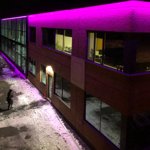
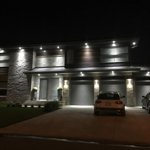
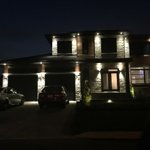
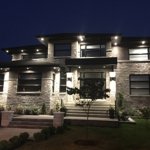
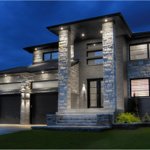
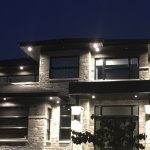
LED SOFFIT LIGHTS
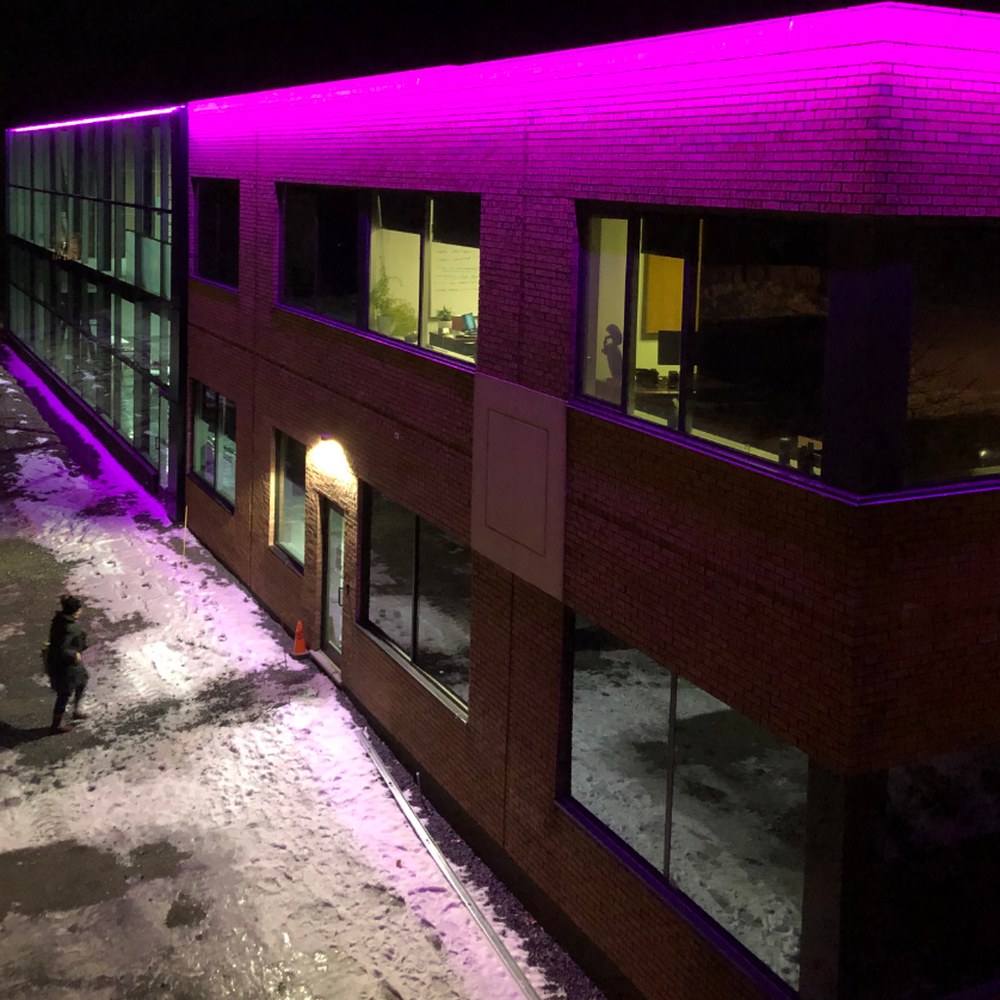
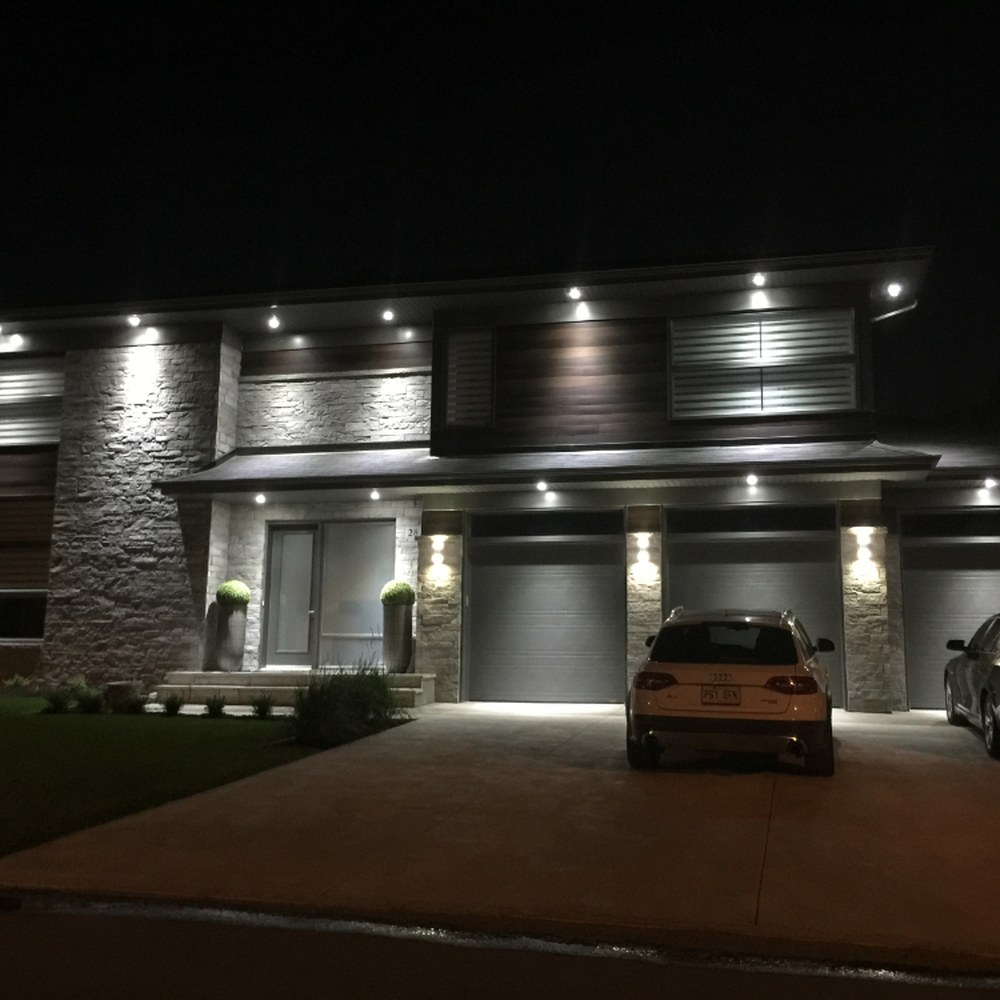
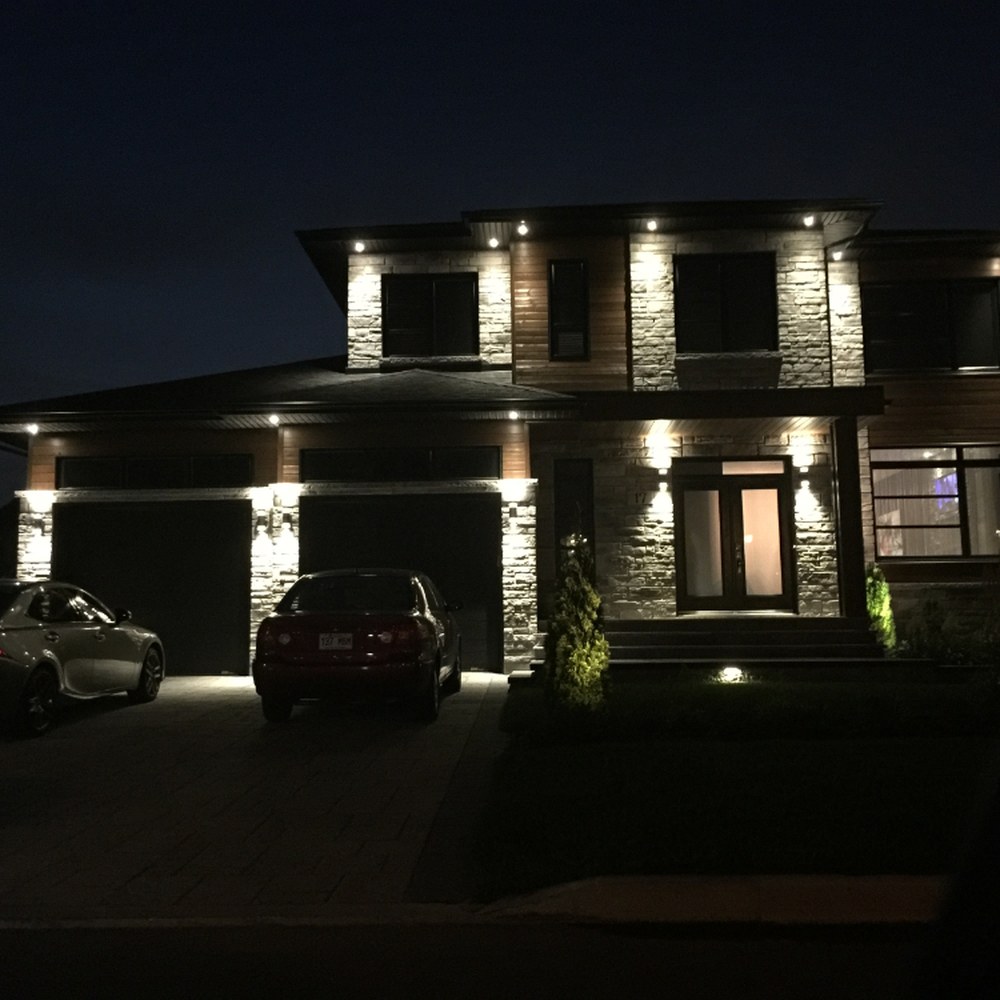
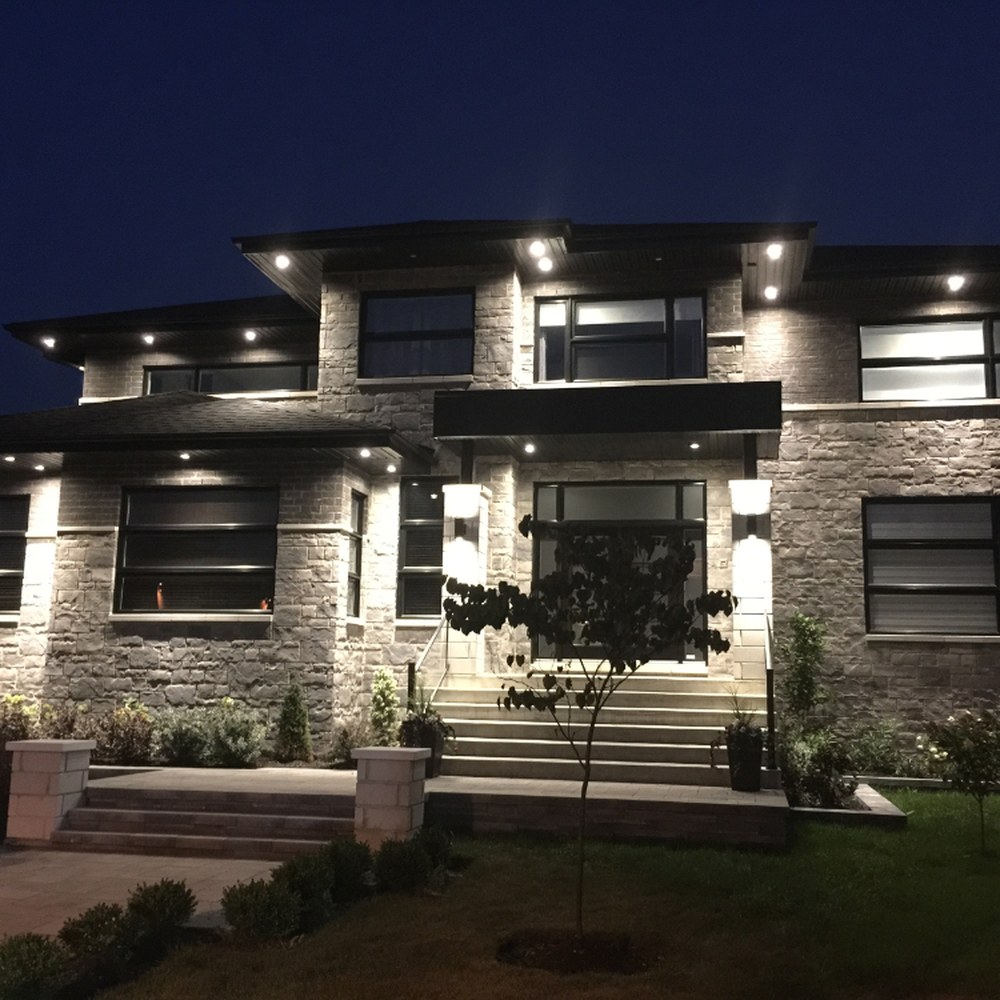
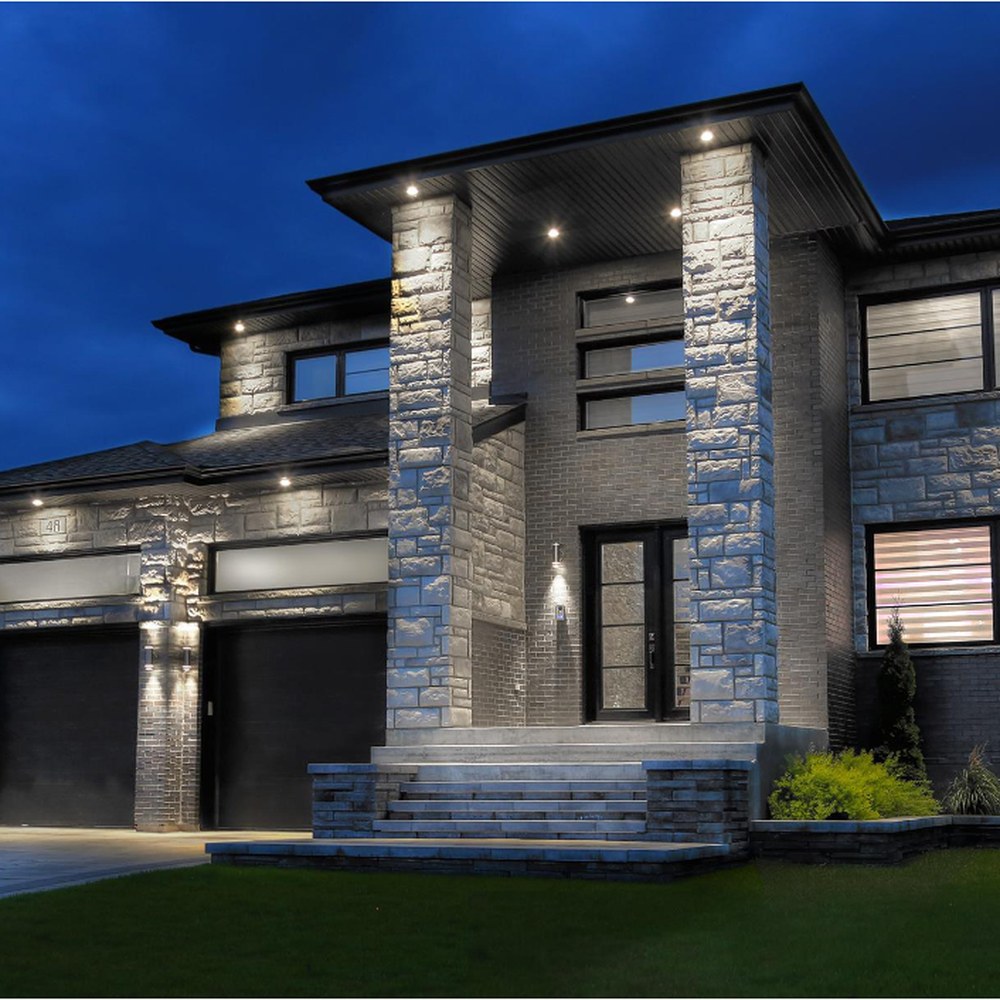
Soffit lights on your house decide how it looks once night falls: the façade takes shape, the entrance becomes safe and the driveway is lit. Under the eaves, a fixture faces humidity, insects and Canadian winters. Aim for an IP65 rating at minimum, spacing of 6 to 8 feet and a white between 3000 K and 5000 K depending on the effect you want. LEDCO brings together the recessed lights, puck lights and floodlights that do this job, shipped across Canada.
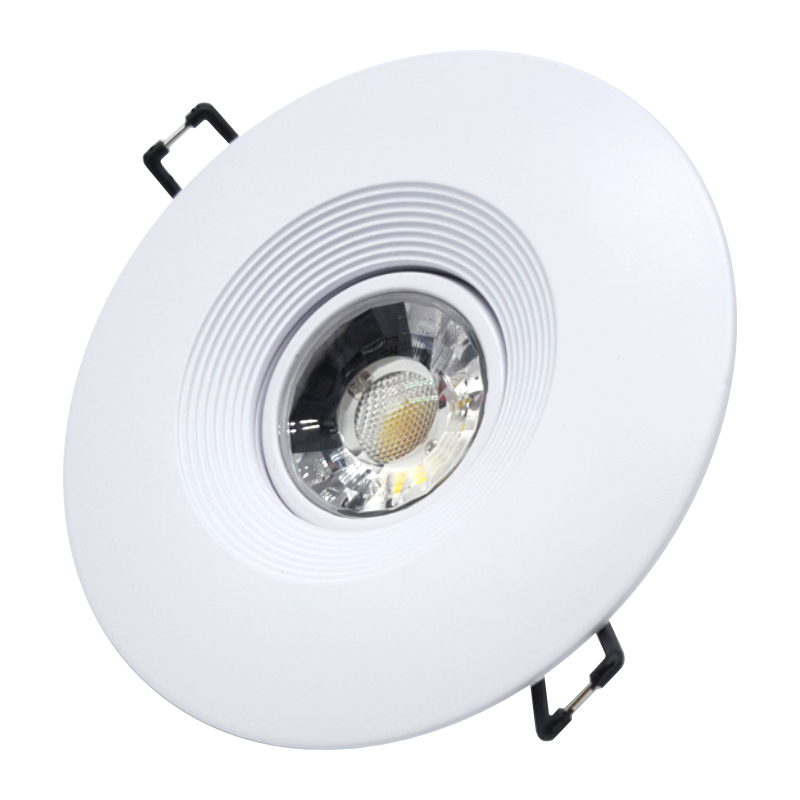
Recessed fixtures: the cleanest soffit installation
Recessed outdoor pot lights are the most common solution under a soffit. They go into a hole cut in the soffit panel and show only a disc of light flush with the surface. What changes is the exposure: under the eave, the fixture faces humidity, temperature swings and insects looking for shelter. That is why you want an aluminum housing, which sheds heat better than plastic, and a rating of at least IP65. The full range is in our LED ceiling downlights; check the spec sheet to confirm the model you pick is suited to outdoor use.
White or black: matching the fixture to the soffit
Whether you want white or black soffit lights, the question is purely aesthetic: the finish changes nothing about the light. On a white soffit, a white fixture blends into the panel and all you see is the light. On a black, brown or dark grey soffit, a black finish avoids the small pale circle that catches the eye in daylight. The right reflex: look at the house in daytime, from the street, and choose the finish that disappears. Available finishes are listed on each product page.
Shallow soffits: slim 3 and 4-inch recessed lights
A soffit often leaves little room above the panel. Slim recessed lights solve that: the DLF 4" round slim recessed light and the DLX 4" round recessed light fit where a deep housing would not, and the DLX series also comes in 3 inches, round or square. For a higher overhang, where more light has to reach the ground, the DLS-HP 4" 15 W recessed light delivers more output through the same cutout diameter.
Surface-mounted LED puck lights: a halo without cutting the panel
When you would rather not cut into the soffit, decorative LED puck lights screw directly under the eave, whether it is wood, vinyl or aluminum. Mounted in a row along the façade, they draw an even halo on the wall. In 3000 K, they warm up an entrance or a covered porch; in 5000 K, they favour the visibility of a walkway or a parking area. Several models come in a black or white finish: pick one designed for outdoor use.
Large façades or high overhangs: floodlights and wall packs
On a commercial façade, a warehouse or a house with a very high overhang, a recessed light is no longer enough. LED wall packs, mounted on the wall just below the roof overhang, send light downward and to the sides, covering a large area without glare toward the street. Adjustable outdoor LED floodlights, placed at the corner of the soffit, aim precisely at a parking area, a sign or a service entrance. To outline the roofline itself rather than the façade, see our permanent string lights.
Where to place soffit pot lights
Well-lit soffits follow the architecture of the house. The spots that matter:
- Above the front door: one recessed light on each side lights visitors' faces and the lock.
- In front of the garage door: the light covers the driveway and getting the car in and out.
- At the corners of the house: the light grazes the walls and marks the volume of the façade.
- Along a covered porch: an even row in warm white, for evenings outside.
Keep the spacing regular: an uneven row is noticed right away, especially from the street, and each fixture should light the wall or the ground, never the eyes of passers-by.
Dusk-to-dawn switching: the photocell
Exterior soffit lighting lends itself very well to automation. A photocell on the circuit measures ambient light: it turns the fixtures on at sunset and off at dawn, with no timer to reprogram every season. A dimmer, if you use one, must carry an "LED compatible" or "ELV" rating.
Technical tips for soffit lighting
IP65 minimum, IP67 under wind-driven rain. An open soffit stays exposed; a higher rating protects the fixture where the wind pushes rain under the eave.
Allow 6 to 8 feet between recessed lights. That spacing gives even coverage, with no dark patches and no glare.
Warm white to welcome, neutral white to watch. 3000 K shows off the façade; 4000 K to 5000 K maximizes visibility around the perimeter.
Measure the depth before ordering. The free space above the panel decides between a slim recessed light and a deeper model.
Insist on a certification recognized in Canada. A permanently connected outdoor fixture must be approved, for example by CSA; it is what your electrician will check.

LED Soffit Lighting FAQ
What are the best exterior LED soffit lights?
The ones built for outdoor use first: an IP65 rating at minimum, an aluminum housing and a certification recognized in Canada. After that, the depth of the soffit decides between a slim recessed light and a deeper model, and the height of the overhang between a standard model and a more powerful one like the DLS-HP. If in doubt, write to us with a photo of the façade and we will point you in the right direction.
Can I use indoor can lights in a soffit?
It is not recommended. A recessed light designed for indoors is not protected against the humidity, condensation and insects that build up under the eave, and it ages quickly. Choose soffit can lights whose spec sheet clearly states outdoor use.
What colour temperature works best under a soffit?
3000 K gives a warm façade and a welcoming entrance. 4000 K to 5000 K suits homes where security, or the visibility of a walkway and a parking area, comes first. On a single façade, keep one colour temperature: a mix of whites shows from the street.
How many soffit lights do I need?
Divide the length of the façade by 6 to 8 feet to get a first count of recessed lights. Then adjust to centre one above the door and one on each side of the garage, and add some at the corners if you want to emphasize the volume of the house.
Can soffit lighting turn on by itself?
Yes. A photocell on the circuit turns the fixtures on at dusk and off at dawn. No more timer to adjust as the seasons change.