


LED lights Mississauga
LED LIGHTS MISSISSAUGA
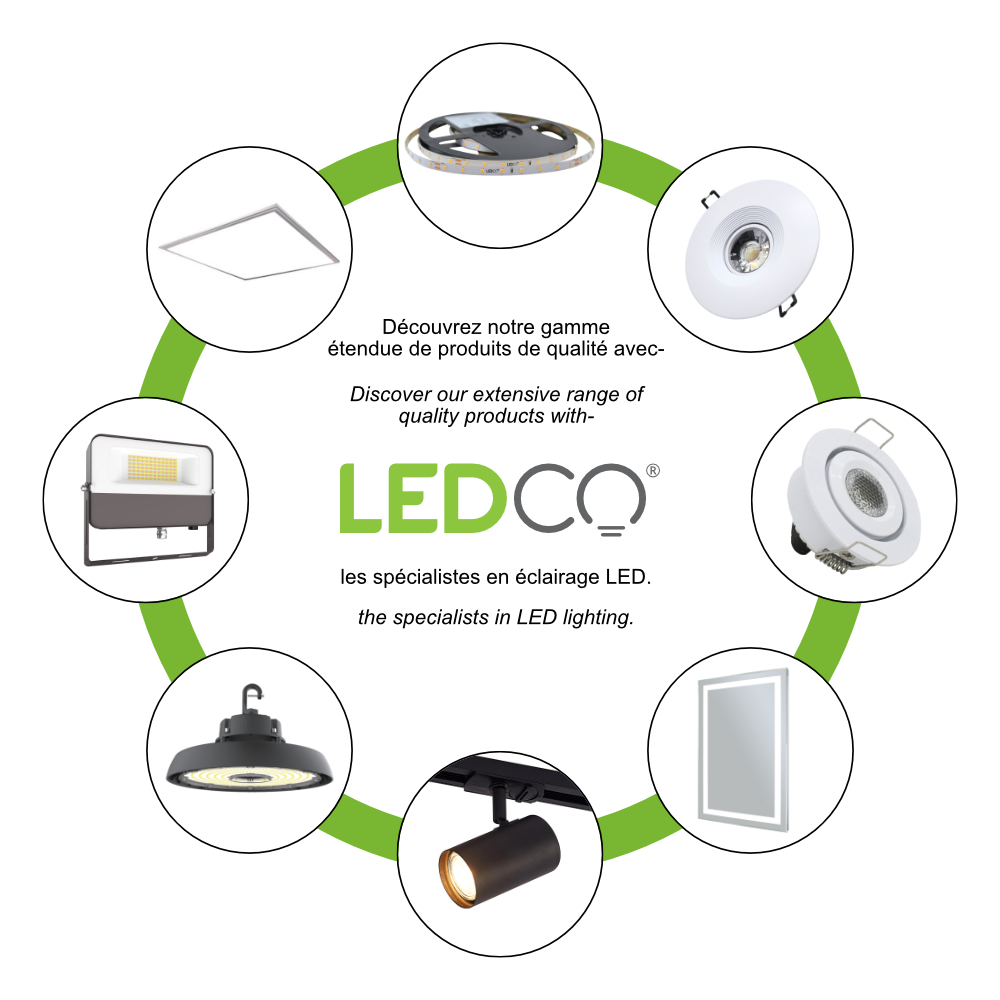
LED luminaires have revolutionized residential, commercial and industrial lighting over the past decade. Their unprecedented energy efficiency, exceptional lifespan and design flexibility have made them the reference solution for all lighting projects, from residential basements to institutional gymnasiums. LEDCO offers a complete range of LED fixtures for all applications — strips, downlights, panels, profiles, track, high bay — with the technical guidance to make the right choice.
LED technology in brief
An LED (Light Emitting Diode) is an electronic component that produces light through electroluminescence — no filament to heat, no gas to excite. This fundamental difference explains the two major advantages of LED technology: dramatically lower energy consumption than traditional sources (incandescent, halogen, fluorescent) and a lifespan measured in tens of thousands of hours rather than hundreds or thousands. A typical LED fixture consumes 60–80 % less energy than an equivalent-output incandescent lamp. Over a 25,000–50,000 hour lifespan, cumulative electricity savings often exceed the initial purchase cost — making LED the most cost-effective investment in lighting.
Color temperature — choosing the right ambiance
Color temperature (measured in Kelvins) determines whether light appears warm (orange, yellowish), neutral (natural white) or cool (bluish). For a residential bedroom or living room, 2700 K–3000 K creates a warm, restful atmosphere. For an office, kitchen or workspace, 4000 K offers neutral white favorable to concentration. For a workshop, commercial kitchen or medical space, 5000 K–6500 K reproduces daylight for maximum visibility. Color temperature selection is often the first decision before choosing a fixture — a room can be perfectly lit in lux but project the wrong atmosphere if color temperature doesn't match the use.
Color Rendering Index (CRI) — seeing true colors
CRI measures how faithfully a light source reproduces colors compared to natural light (reference = 100). CRI 80 is acceptable for most general residential and commercial applications. CRI 90+ is recommended where color perception matters: hair salon, clothing store, art gallery, kitchen. CRI 95+ for professional precision applications: hairdressing, cosmetics, fine dining. A CRI 70 vs CRI 95 fixture in the same room produces a color rendering difference that most people notice clearly — textiles, food, paint tones and skin tones all appear notably more natural under high CRI.
LED fixture types and their applications
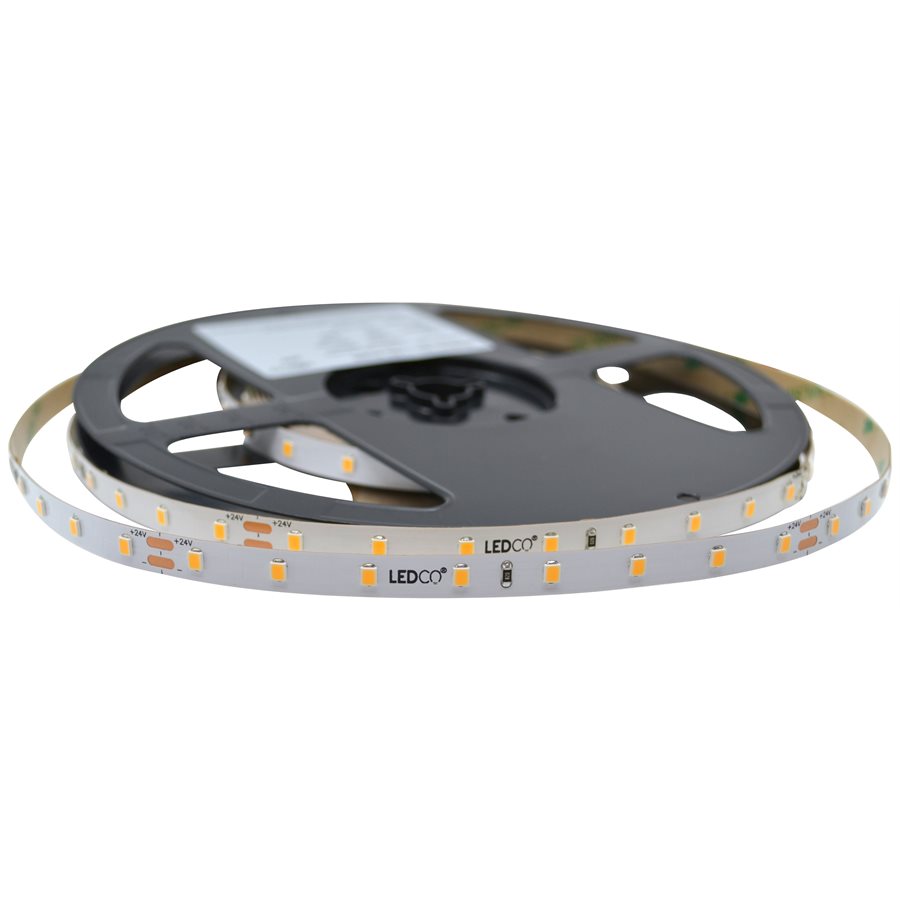
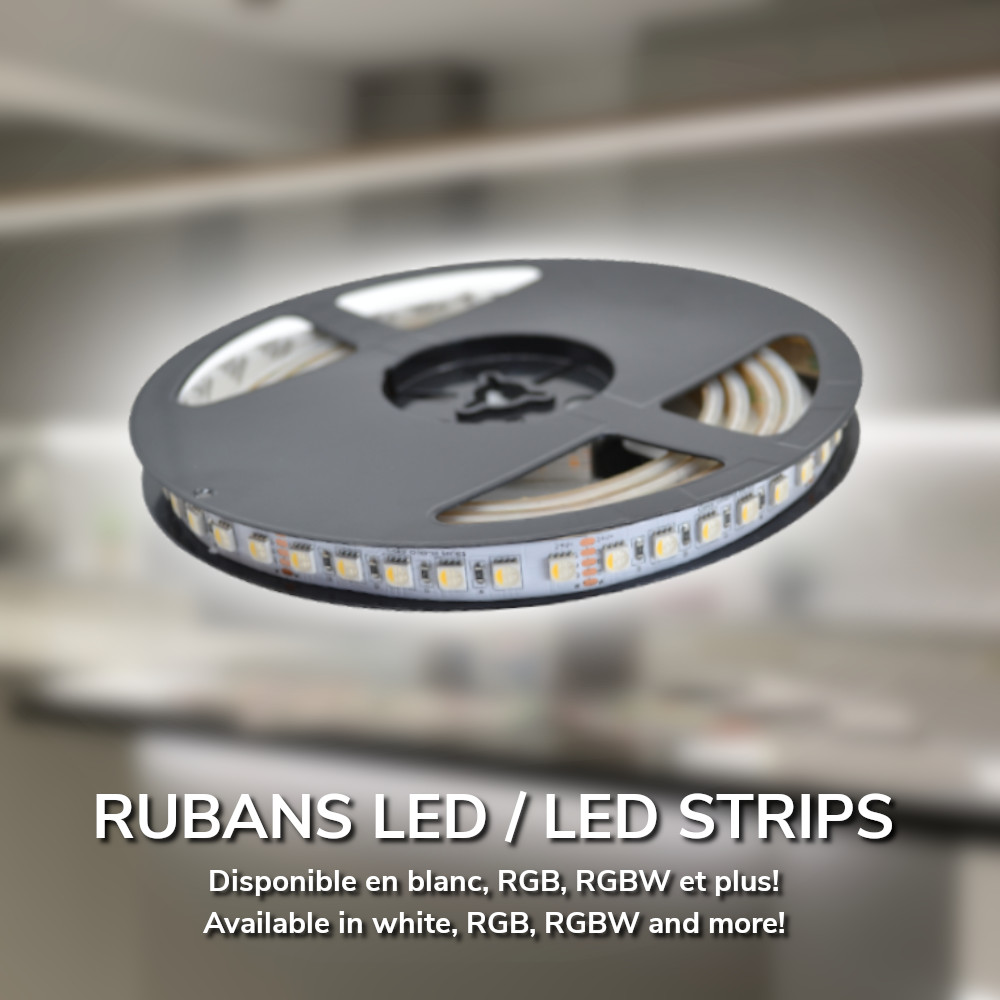
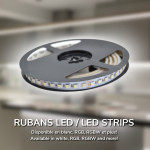
LED strips: flexible, adhesive, available at 12V or 24V, they adapt to coves, under-cabinets, stairs, profiles and all curved surfaces. Ideal for indirect and accent lighting.
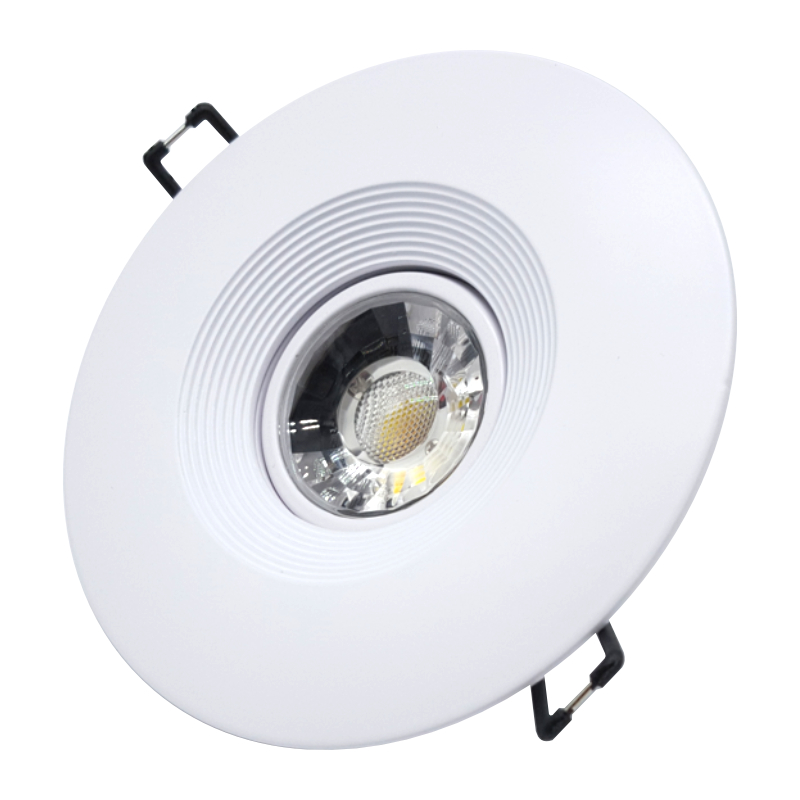
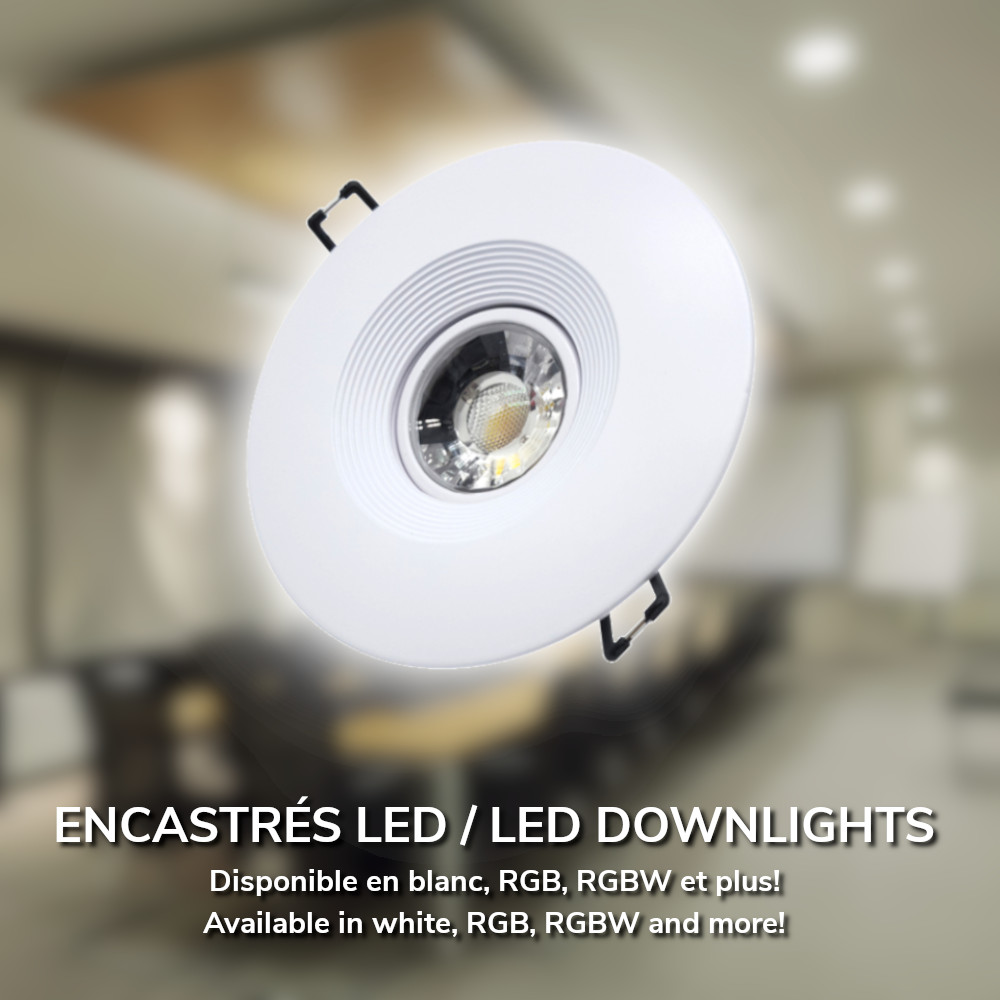
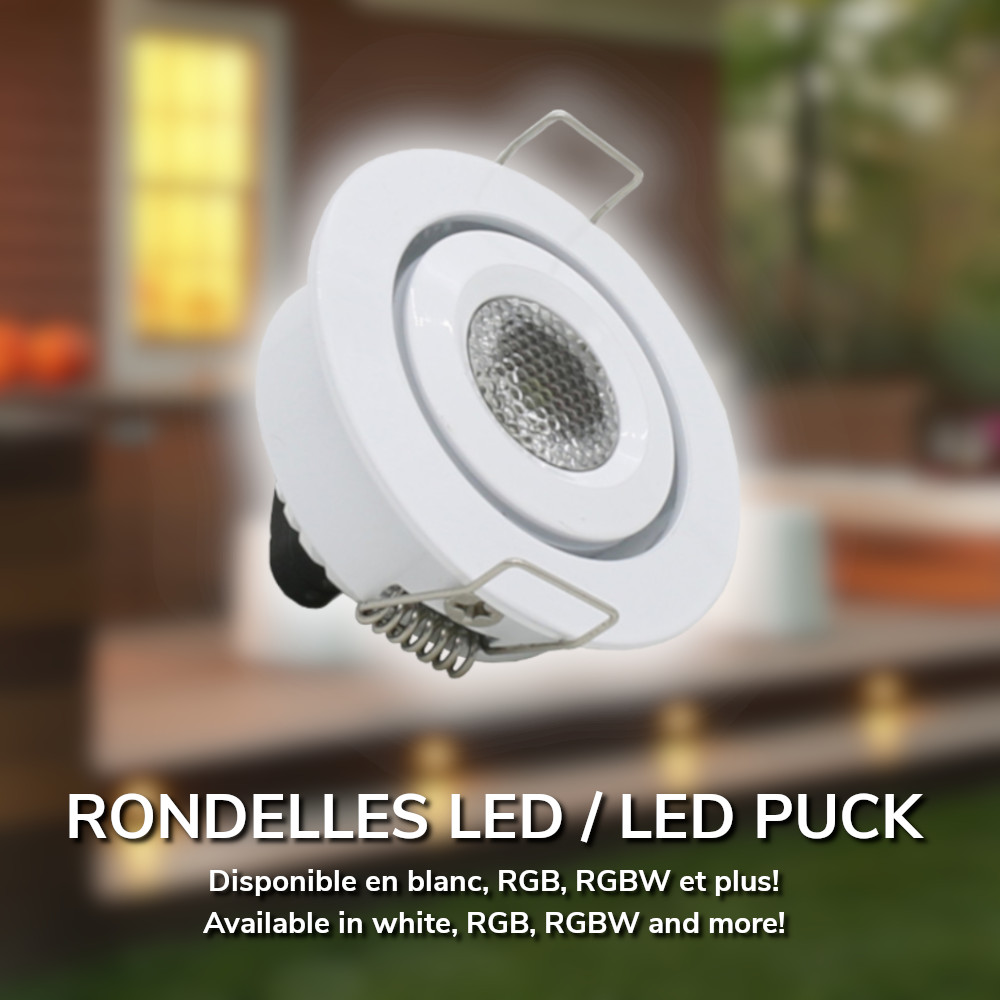
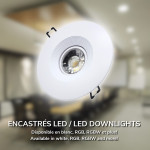
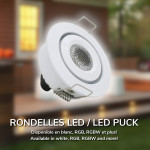
Recessed LED downlights: integrate into suspended ceilings for clean, modern lighting. Available in 4" and 6", dimmable, in all color temperatures. Reference solution for residences and offices.
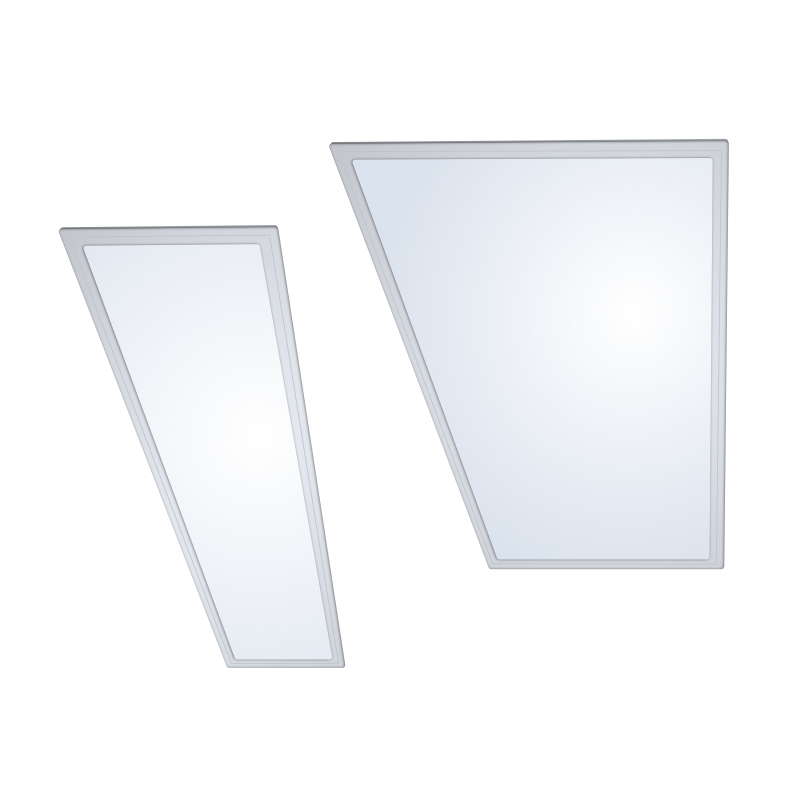
LED panels: 60 × 60 cm or 60 × 120 cm tile format for commercial ceilings. Flat, uniform light ideal for offices, meeting rooms and institutional spaces. DLC certified for rebates.
High bay and shop lights: for high-ceiling spaces — warehouses, gymnasiums, workshops. 100–500 W depending on height and surface. 347V compatible for industrial installations.
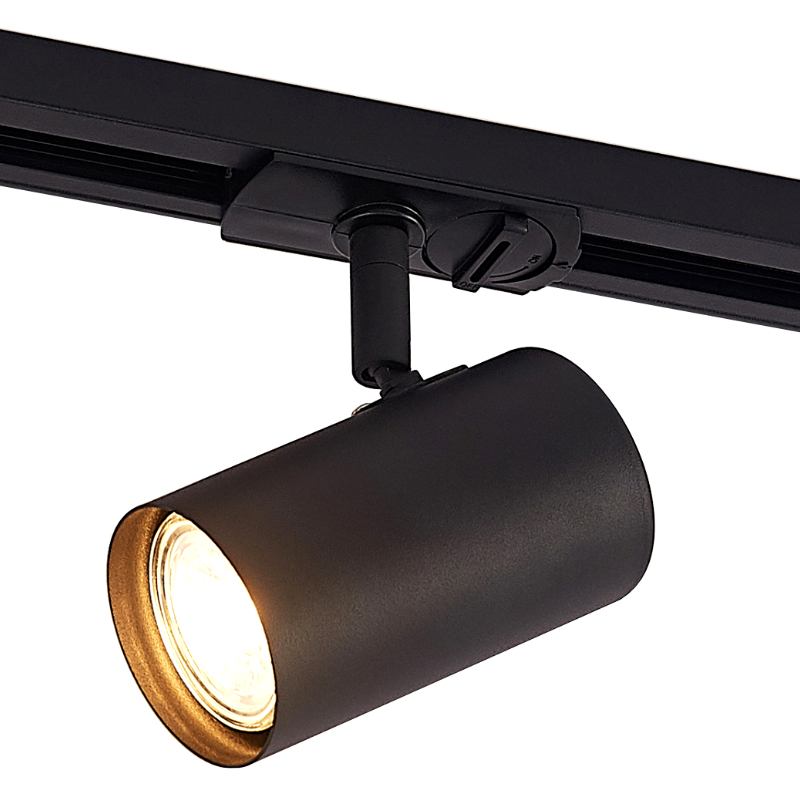
Track lighting: adjustable rail-mounted spots for highlighting architectural, retail or artistic elements. Flexible, repositionable, suited to evolving spaces.
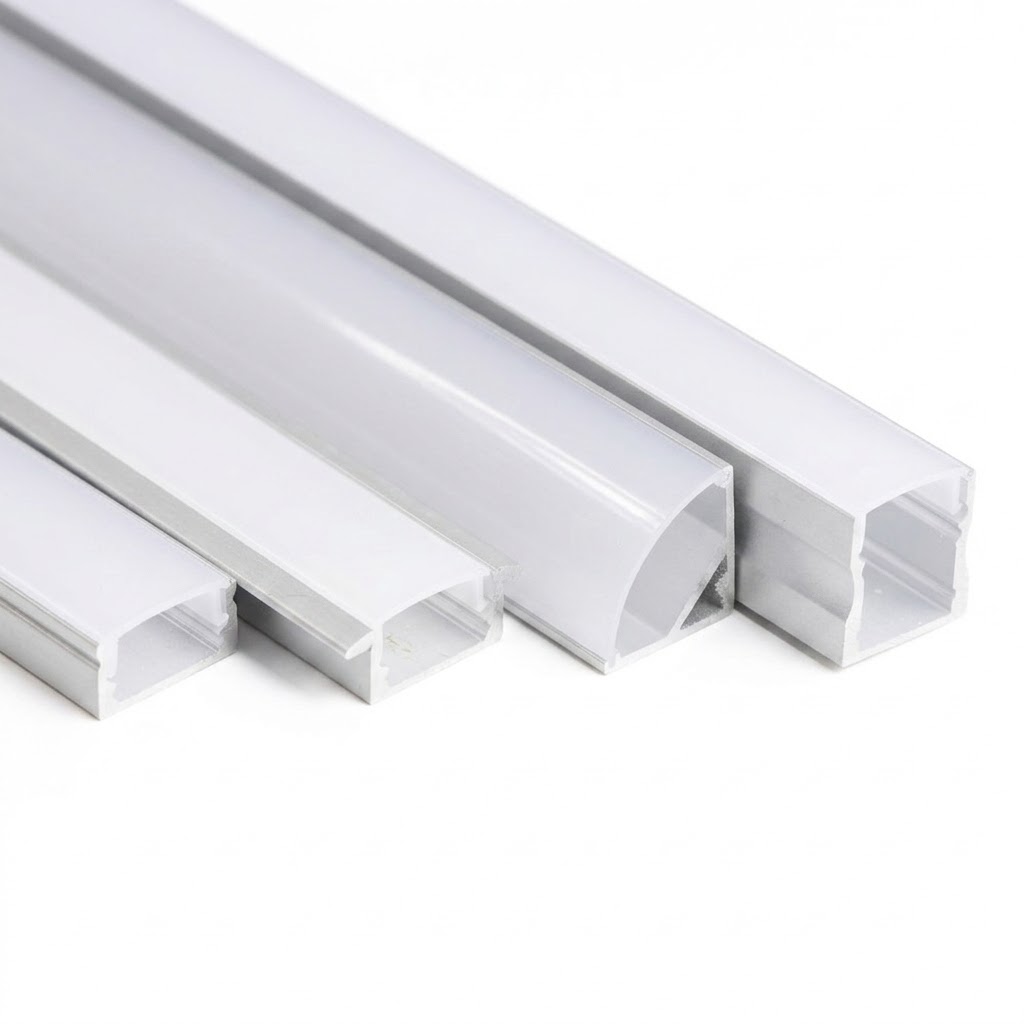
LED aluminum profiles: finishing channels for LED strips that diffuse light evenly and protect the strip. LEDCO custom-cuts profiles to the exact dimensions of each project.
Contact the LEDCO team for personalized guidance on fixture type, wattage and color temperature suited to your residential or commercial project.