


LED architectural lights




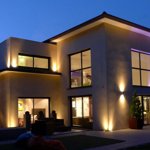
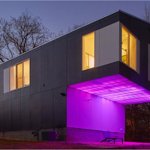
LED ARCHITECTURAL LIGHTS
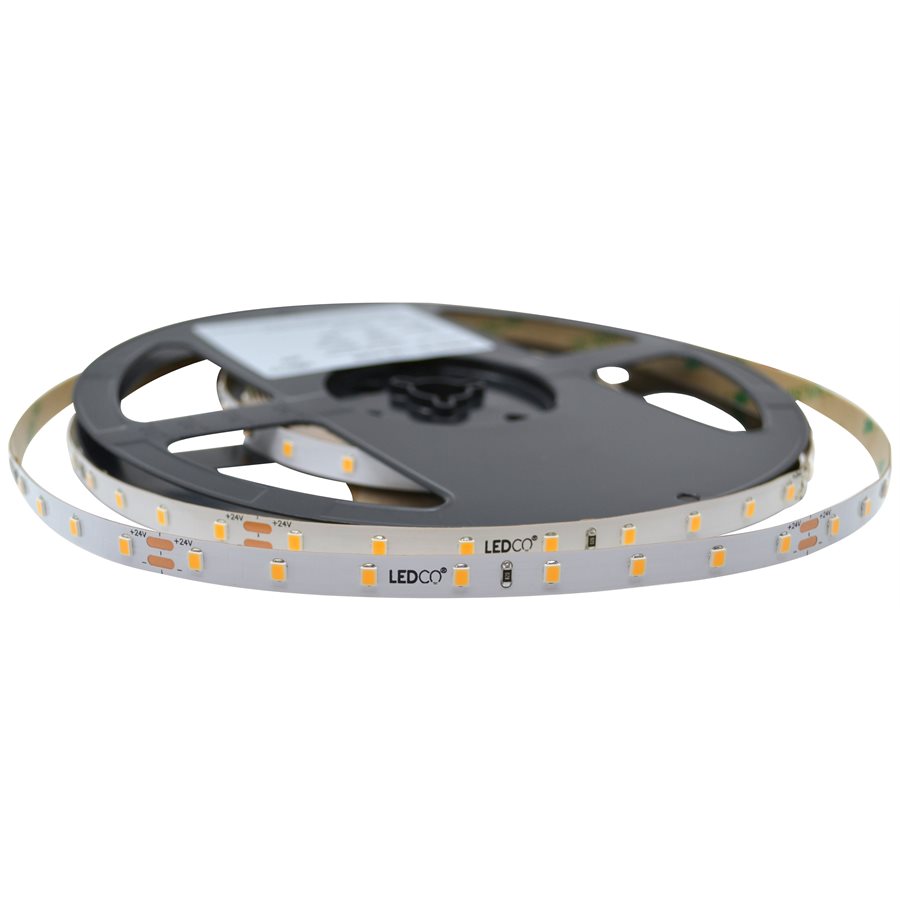
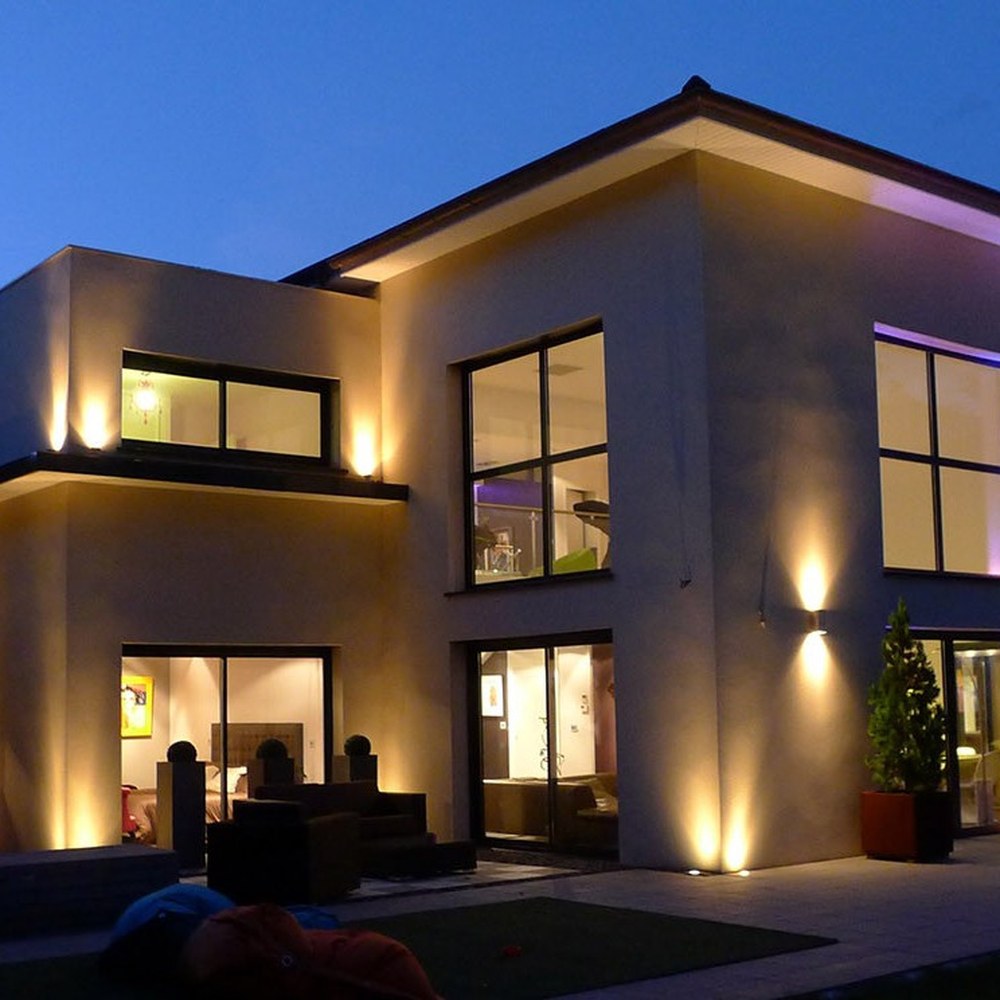
Architectural LED lighting systems treat light as a material: once night falls, light is what draws a building's volumes, underlines its cornices and brings out stone, brick or concrete. LEDCO brings together the components of a complete project, for the facade as much as the interior: IP67 RGB and RGBW LED strips, facade floodlights from 15 W to 300 W, wall washers and aluminum profiles cut to the length of each element, ready to mount.
Outline, wash, graze: the three moves of architectural lighting
Before talking products, name the effect you want. Almost every project comes down to three moves:
- Outline a line: an LED strip in a profile, along a cornice, a railing or a storefront.
- Wash a surface: a floodlight, on the ground or on a bracket, that covers a portion of facade or a column.
- Graze a wall: a wall washer close to the surface, which reveals the relief of stone or brick.
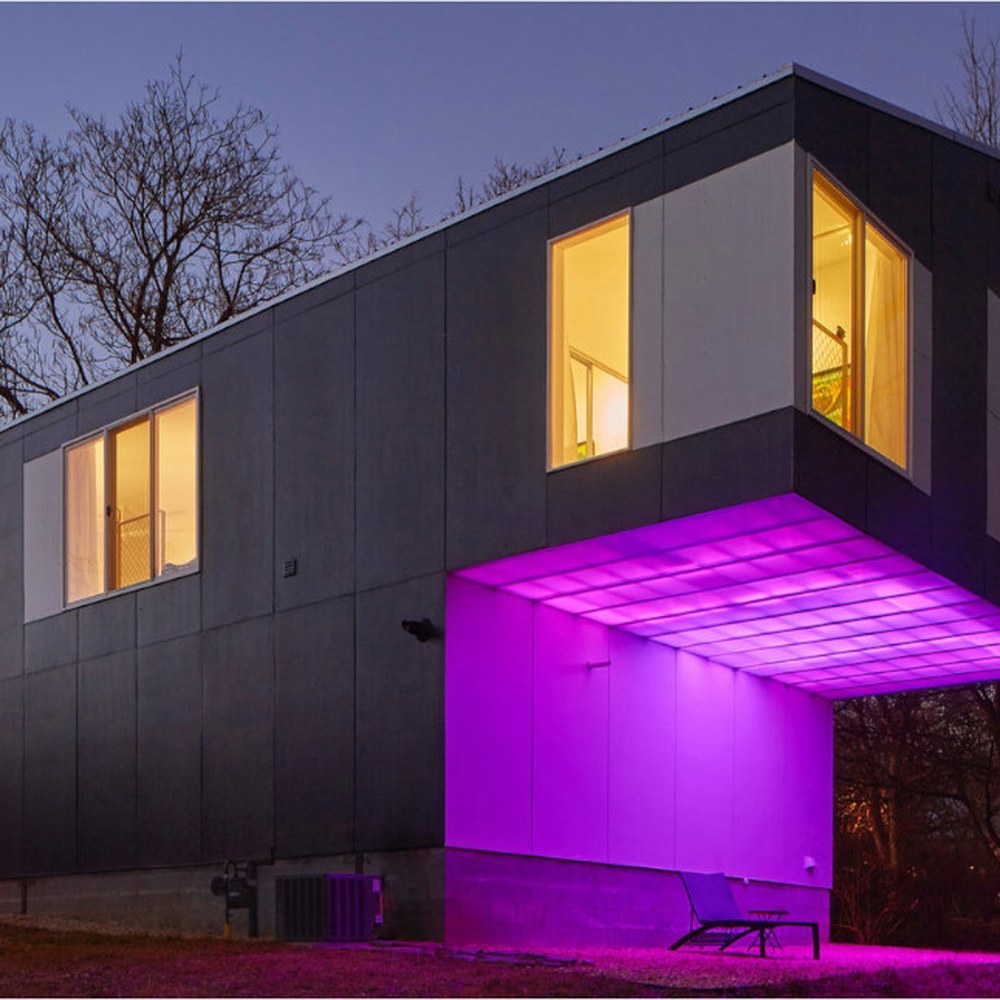
- Punctuate in colour: RGBW floodlights reserved for accents, to change the mood with the season or the event.
IP67 RGBW LED strips for cornices, columns and storefronts
To trace a continuous line along an overhang, a railing or a storefront frame, IP67 outdoor LED strips are the foundation of the work. Slid into a profile fixed to the structure, they follow the lines of the building without the strip itself being visible. In RGB or RGBW, the colour changes with the programming: warm white for an understated mood, brand colours for a business, dynamic sequences for an event. IP67 protects against rain, snow and condensation, essential outdoors in Quebec.
Aluminum profiles cut to measure: crisp lines right through the joints
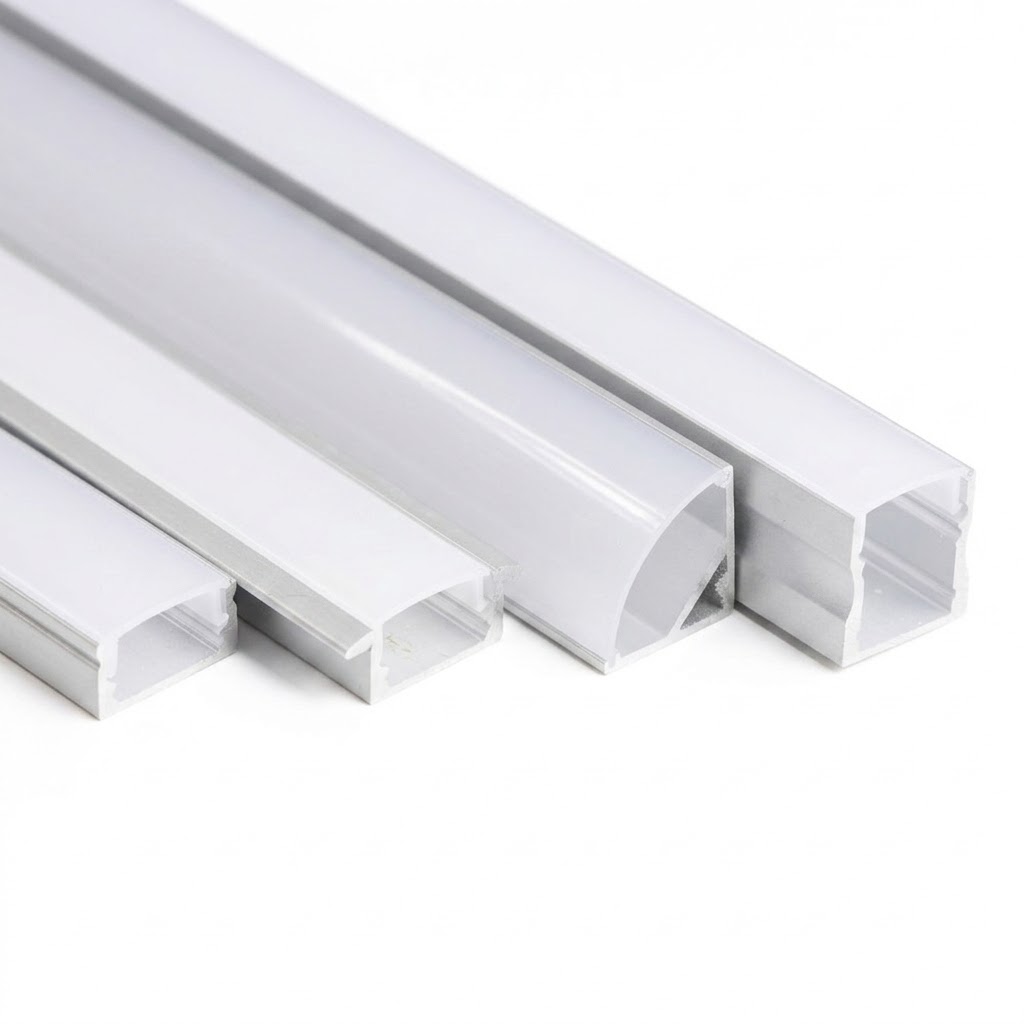
An architectural project comes down to the joints: corners, angled cuts, long runs in several sections. LEDCO cuts aluminum profiles for LED strips to the exact length of each element, installs the strip and prepares the assembly ready to mount, whether a 14-metre cornice or a 23-metre railing in two sections. The profile also acts as a heat sink: it pulls heat out of the strip, which matters with the –40 °C to +35 °C swings of a Quebec year. The custom Builder lets you prepare these lengths online.
RGBW 15 W and 50 W LED floodlights for colour washes
When a surface needs to be washed rather than outlined, the floodlight takes over. The RGBW 15 W LED floodlight suits columns, entrances and sculpted elements; the RGBW 50 W LED floodlight covers a wider portion of facade. Placed on the ground or on a bracket, they change the mood of a building without touching the structure.
LED floodlights from 70 W to 300 W for large volumes
For a tall facade, a bell tower or a large wall, white-light standard LED floodlights deliver the power required. The range goes from the 70 W-100 W-150 W floodlight, for walls of medium height, to the 200 W-240 W-300 W LED floodlight for large volumes. Uniform white shows materials as they really are and pairs very well with RGBW accents.
LED wall washers: stone, brick and concrete, grazed
An LED wall washer projects soft, uniform light onto a vertical surface. Placed close to the wall, it grazes the surface and reveals the relief of a stone wall, a brick facade, wood cladding or architectural concrete, details that disappear under frontal lighting. It installs at ground level, surface-mounted or semi-recessed, or at the ceiling, at a calibrated distance from the wall to keep the light even over the full height. For outdoor use, choose an IP65 model.
Indoors: light boxes, coves and balustrades
The same technique works in a lobby, a restaurant or a residence. Surface-mounted, semi-recessed or fully recessed profiles in suspended ceilings and partitions create light boxes, coves, corridor light lines or illuminated balustrades. A matte or satin diffuser softens the light and gives the look of a high-end linear fixture. The wall washer brings out an accent wall, exposed brick or the back wall of a lobby or restaurant.
Controllers and zones: programming colour without mistakes
Programming is handled by LED dimmers and controllers chosen according to the number of zones to control: a cornice, two columns and a storefront make three zones if they must change separately. Define these zones on the plan before ordering: they dictate the number of controllers and the wire runs. Our page on RGB LED lighting explains the control options in more detail.
Technical tips for architectural LED lighting systems that survive winter
Outdoors, nothing below IP67 for strip. Rain, snow and condensation eventually get into anything less sealed.
Always an aluminum profile under the strip. It dissipates heat, protects the circuit and gives the continuous line; a bare strip stuck on a wall ages fast.
Have the sections cut to the exact length. Joints show at night; a profile prepared in the shop avoids on-site adjustments.
Test a floodlight's position at night before fixing it. A metre more or less changes the shadow cast on a relief.
Plan the control zones on the drawing. They decide the number of controllers and the wiring; they are not easily added afterwards.
Our accomplishments show it, from an installation for Moment Factory to a high school. Contact the LEDCO team for your architectural project, residential or commercial: we prepare a quote that brings together profiles, strips, floodlights and accessories.

Architectural LED lighting systems FAQ
What is the difference between an RGB and an RGBW strip?
RGB mixes red, green and blue to produce colours. RGBW adds a dedicated white diode, which gives a true warm white when you do not want colour. For a facade that lives mostly in white and switches to colour for events, RGBW is the usual choice.
Do LED strips survive a Quebec winter?
Yes, on two conditions: an IP67 outdoor strip and an aluminum profile that dissipates heat and protects the circuit. The –40 °C to +35 °C swings also guide the choice of transformer and controllers, installed under cover.
How many control zones should I plan?
As many as there are elements that must change separately. A facade that changes colour as a block is only one zone; a cornice, columns and a storefront controlled apart make three. Set that number on the plan before choosing the controllers.
Does LEDCO install architectural LED lighting systems?
We supply the material, the profiles prepared to length and the complete quote; the installation goes to your electrician or your contractor. We work with them on the plan and the quantities.