


Indoor LED Strip


INDOOR LED STRIP
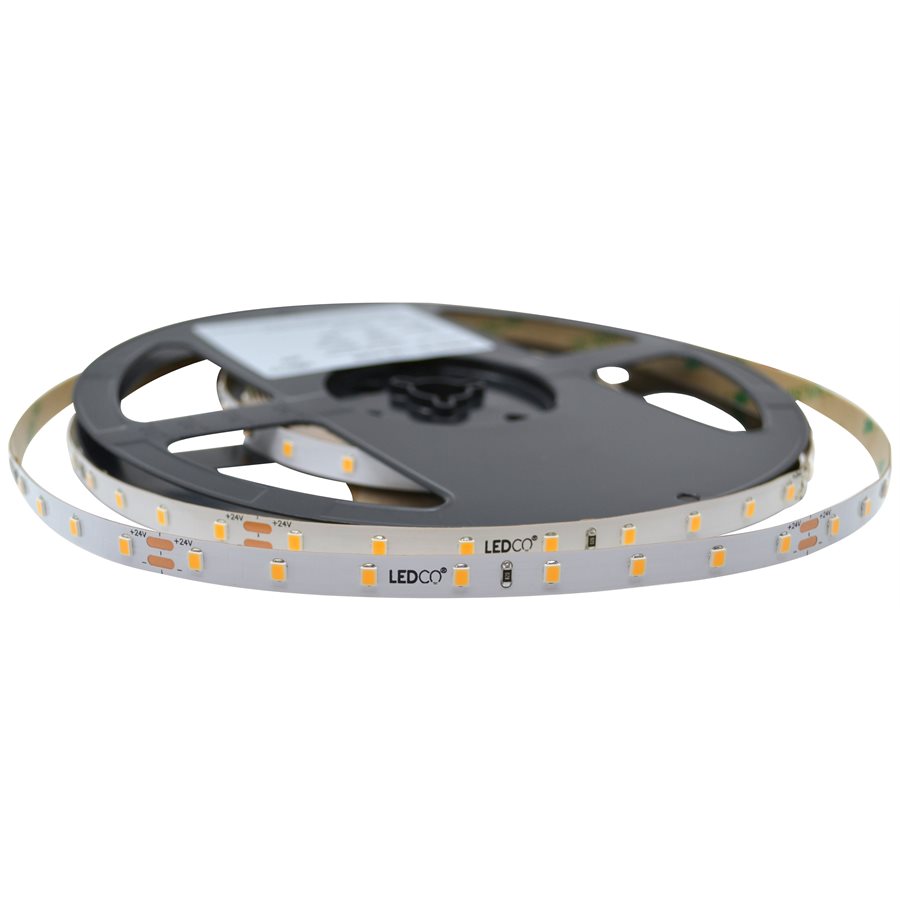
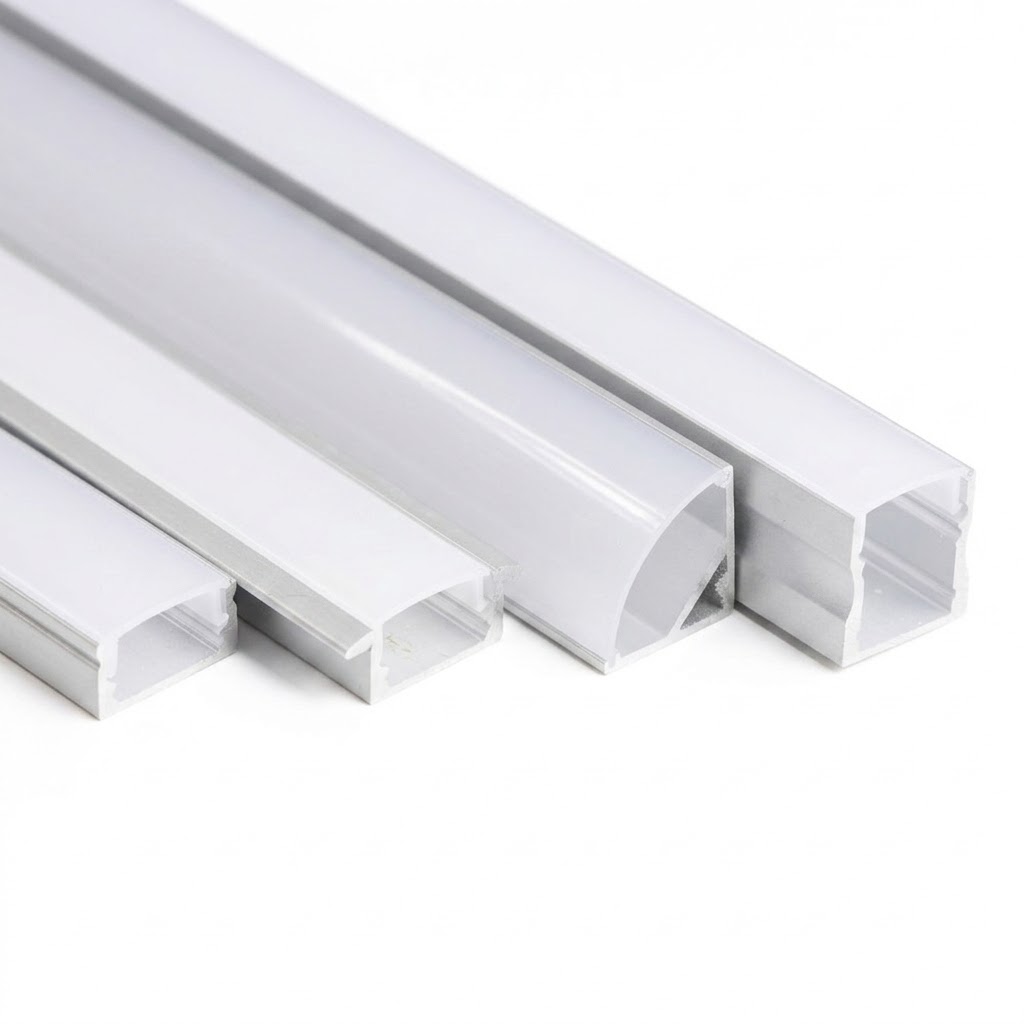
Indoor LED strip lighting is the most versatile lighting tool in renovation and construction, residential and commercial alike. Thin, flexible and easy to hide, it slips into places no fixture can reach: under kitchen cabinets, in a cove, under stair nosings, under bookcase shelves or behind a headboard. LEDCO offers indoor LED strips in 24 V, in several wattages and whites, from the 3500 to 4000 K of a work surface to the 2700 or 3000 K of a cove, to combine with aluminum profiles.
LED strip under kitchen cabinets: the countertop finally lit
Under-cabinet lighting is the signature application of LED strip. A poorly lit countertop forces you to work in the shadow of the cabinets, which is uncomfortable and unsafe when cutting. A neutral white strip of 3500 to 4000 K, installed in a profile with a frosted diffuser under each cabinet, spreads uniform light over the whole work surface, with no glare or reflections on a glossy countertop. The 24 V power supply hides in a cabinet, and a discreet switch or touch controller fits under the box. The mounting details are on our LED under cabinet lights page.
Where indoor LED strip lighting makes the difference
Wherever a thread of targeted light improves a space, the indoor LED strip is the answer:
- Under the cabinets: the countertop's work light, with no shadows.
- In a cove or bulkhead: an indirect halo that lights the room with no visible source.
- Under the stair nosings: a thread of light that guides your steps at night.
- Under the shelves: books, collections and products on display.
- In a niche or behind a headboard: soft, dimmable mood light.
Coves and ceiling bulkheads: indirect light
Cove lighting hides the strip in a moulding, a bulkhead or a recess at the top of the wall to project light toward the ceiling: the room is bathed in a halo, with no visible source. Gypsum mouldings for LED strips integrate into the plaster for an architectural result, and a warm white strip of 2700 or 3000 K creates a very soothing glowing ceiling in a living room, bedroom or dining room. In a kitchen or corridor bulkhead, the same LED strip for cove lighting adds a layer of light without major demolition.
Stair steps: recessed profile and motion detector
Under each step nosing, a recessed aluminum profile fits into a groove milled into the wood: invisible during the day, it draws a thread of light in the evening that guides each step. A motion detector at the bottom and top of the stairs turns the lighting on as you pass, and a dimmer keeps a reduced output at night to avoid glare. It is one of the most requested installs in residential renovation.
Shelves, bookcases and display cases: strip or flex neon
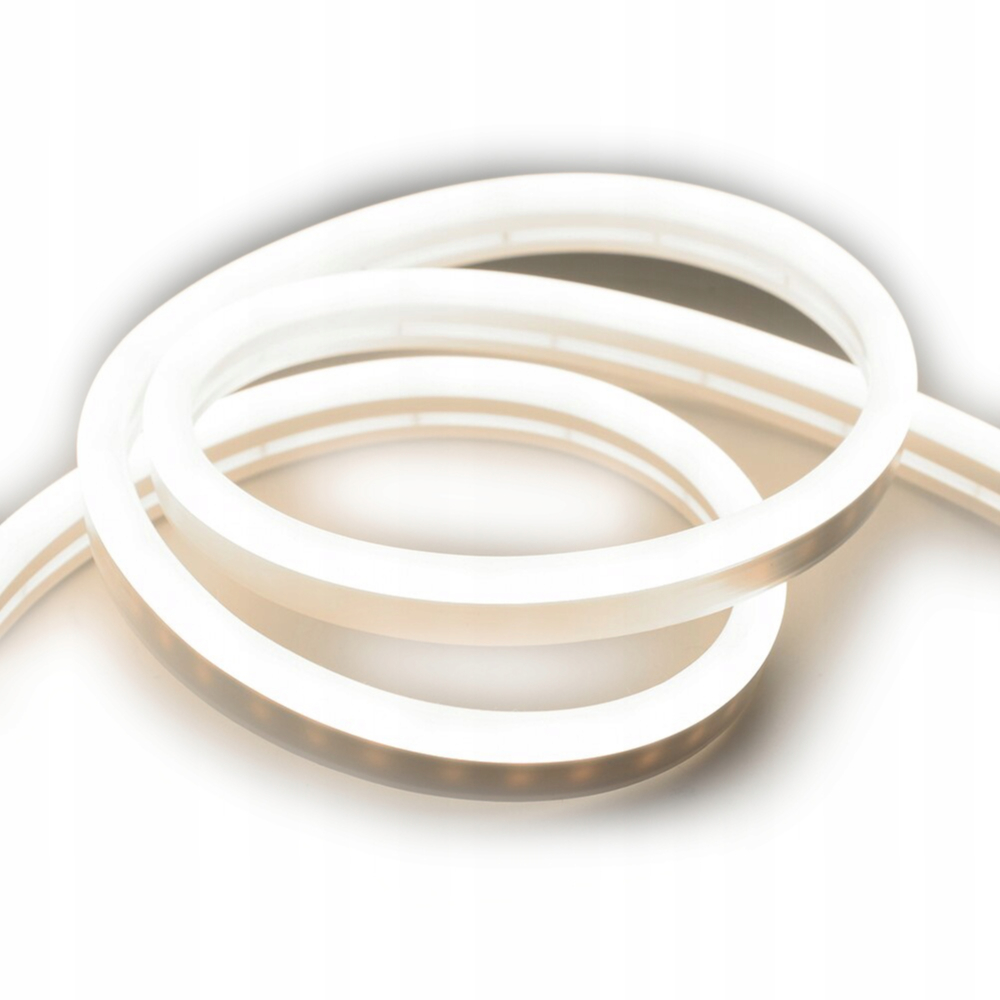
In a built-in bookcase, a glass cabinet or store shelving, a strip in a slim profile under each shelf showcases objects with colour-faithful light: 3000 K warm white for a residential space, 4000 K neutral white for a showroom. Surface LED aluminum profiles screw directly under the shelf, with no carpentry. When the source stays visible, at the edge of a shelf or along a bar counter, flex neon gives a continuous line with no dots: the recessed 10x10 mm flex neon sits flush in a furniture groove, the 10x10 mm anti-glare version softens the light within the line of sight, and the 3x6 mm and 6.5x11 mm formats bend sideways to follow a curve. The full range is in the flex neon LED section.
Food-grade strip: when the strip specializes
In a food store, light directly affects how products look. The 16 W/m food-grade LED strip is designed for bakery counters, produce displays and meat cases: installed in a profile above the shelves, it enhances the appearance of the food. It is a good example of how LED strips specialize by use, from the residential kitchen to retail. To pick the wattage and the white, see how to choose the right LED strip.
Strip alone or in a profile: what the designer changes
A bare strip sticks on and follows a curve; in an aluminum profile, it gains a diffuser that erases the dots, protection from knocks and better heat dissipation. With our custom designer, you enter the length of each cabinet or shelf: LEDCO cuts the strip and the profile to that size, solders the leads, fits the end caps and adds the 12 V or 24 V power supply that matches the total wattage. The tool takes no payment: it sends you a detailed quote.
Technical tips for indoor LED strip lighting
Choose the white for the task. 3500 to 4000 K for a work surface, 2700 or 3000 K for a cove or a bedroom; do not mix the two in the same room.
The frosted diffuser erases the dots. On a glossy countertop or a glass shelf, a strip without a diffuser reflects diode by diode.
Hide the power supply, but keep it reachable. In a cabinet or above the boxes, never sealed inside a wall without an access panel.
Plan for dimming from the start. A dimmable power supply and a dimmer take little planning and change how the room is used in the evening.
Measure each run separately. Two cabinets separated by a range hood make two zones and two lengths, not one.
To see what LED strip lights can do in a home, take a look at the residential project with LED strips shown in our accomplishments, then contact our team for advice on your project.

Indoor LED Strip Lighting FAQ
Which LED strip should I choose for a kitchen?
Under the cabinets, a 3500 to 4000 K neutral white under cabinet LED strip in a profile with a frosted diffuser: the work light is uniform and reflection-free. For the cove above the cabinets, switch to a 2700 or 3000 K warm white, controlled separately.
How do I install an LED strip on the ceiling?
You do not stick it to the ceiling itself: you hide it in a gypsum moulding, a bulkhead or a recess at the top of the wall, aimed at the ceiling. The indirect light fills the room with no visible source, and the power supply stays reachable in a closet or above a cabinet box.
LED strip lighting or flex neon: what is the difference?
The strip hides and lights a surface; the flex neon shows itself and forms a continuous dotless line on its own. When the source is in the line of sight, at the edge of a shelf or along a bar, flex neon is the right choice; everywhere else, the strip in a profile.
Do I really need an aluminum profile?
Not for a hidden, temporary setup. For a permanent, visible installation, yes: the profile carries the diffuser, protects the strip and draws the heat away, which extends its life. The custom designer ships the strip already mounted in the profile.
How do I order the right length?
Measure each cabinet, shelf or step from end to end and enter each length in the designer. LEDCO cuts to size and works out the power supply; if you are unsure about a measurement, write to us before ordering.